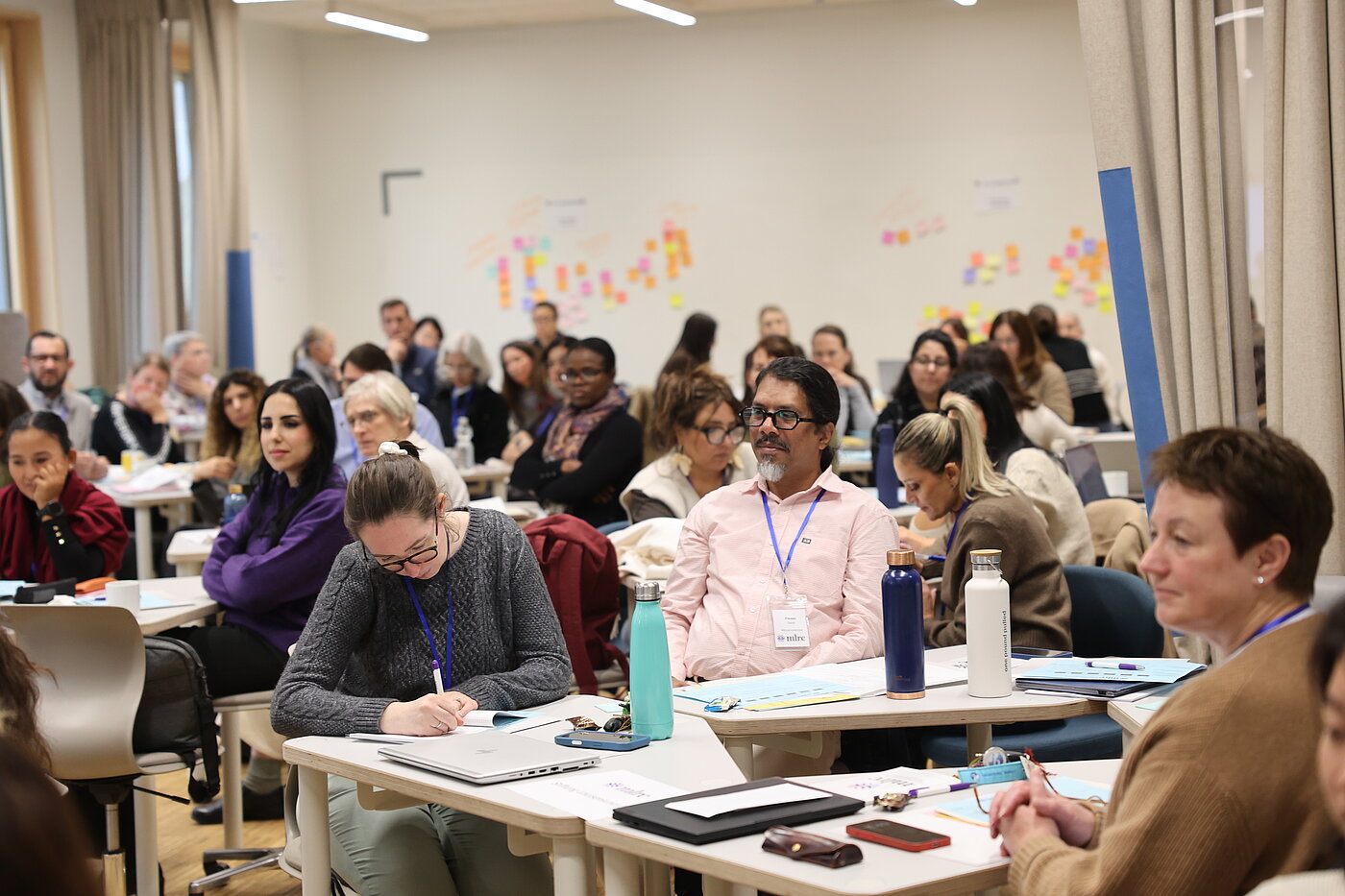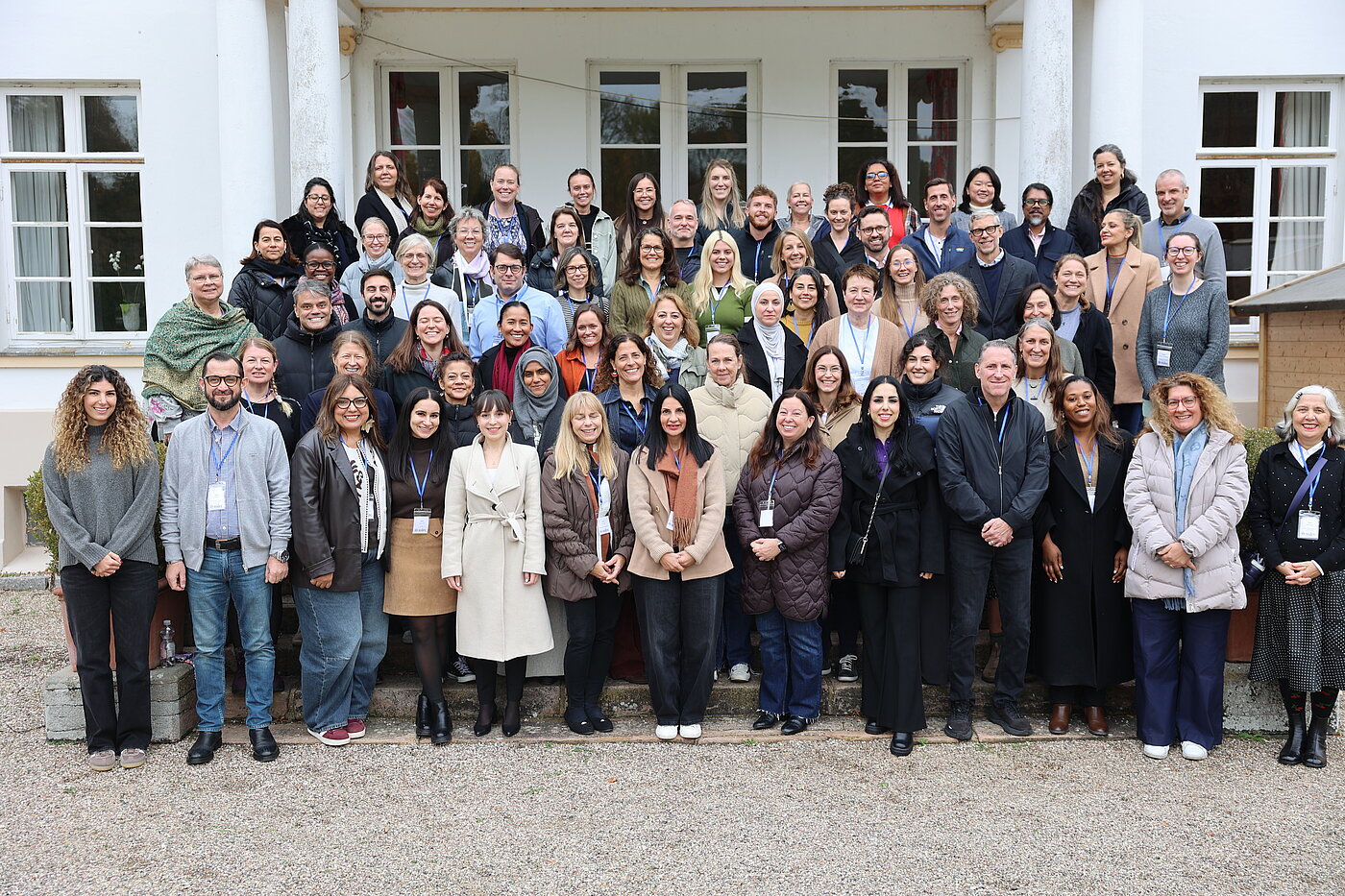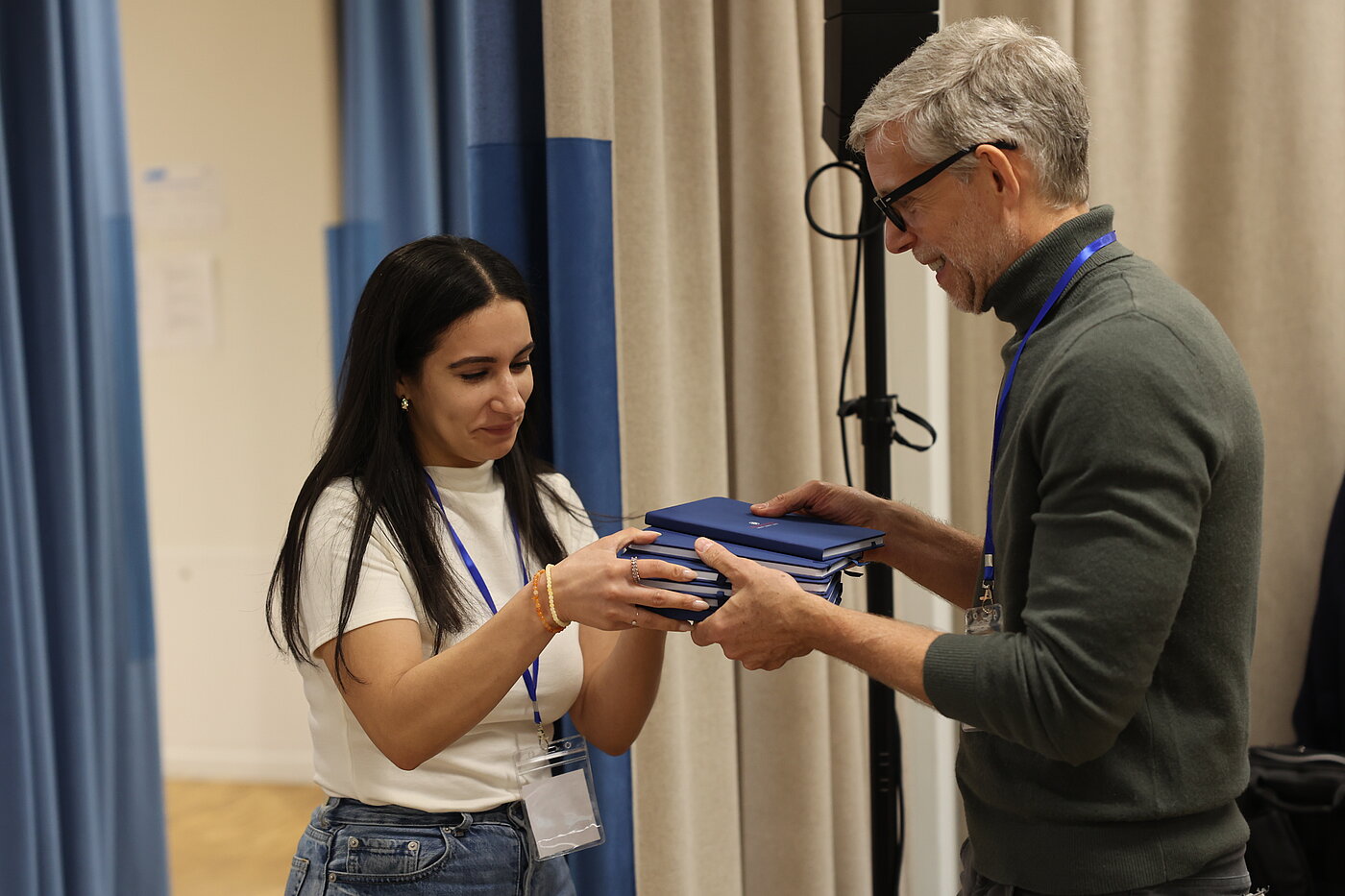



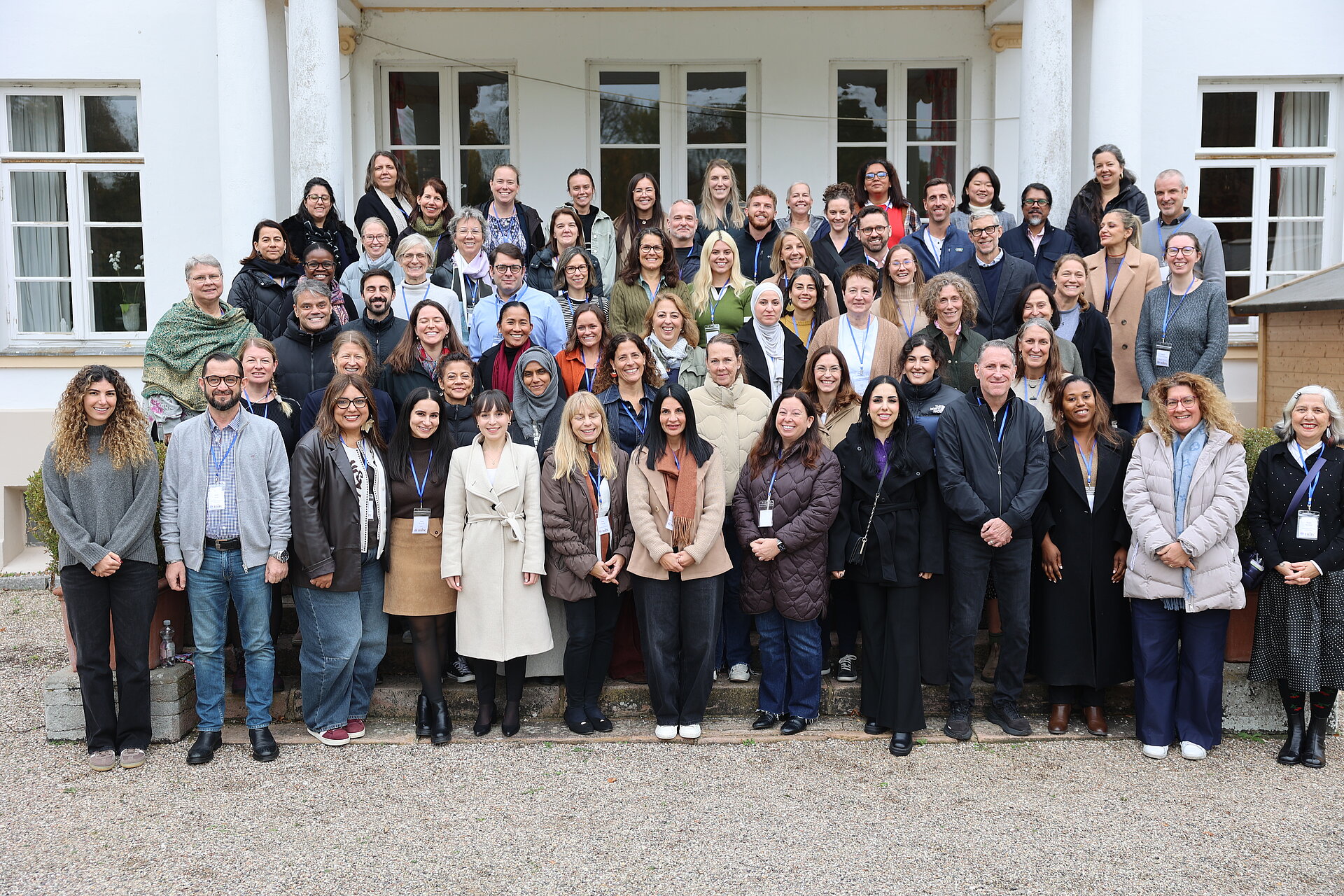
65 education experts from around the world, 17 international school teams and one shared question: How can we further improve learning for multilingual students? From 30 October to 1 November 2026, Louisenlund hosted the first joint Research Symposium organised by the Multilingual Learning Research Center (MLRC) at the University of Wisconsin–Madison and the New England Association of Schools and Colleges (NEASC). For Louisenlund, hosting this international event was a great honour – and at the same time a recognition of the school's educational approach and international outlook
Louisenlund Hosts International Symposium on Educational Research
When Research and Educational Practice Learn from Each Other
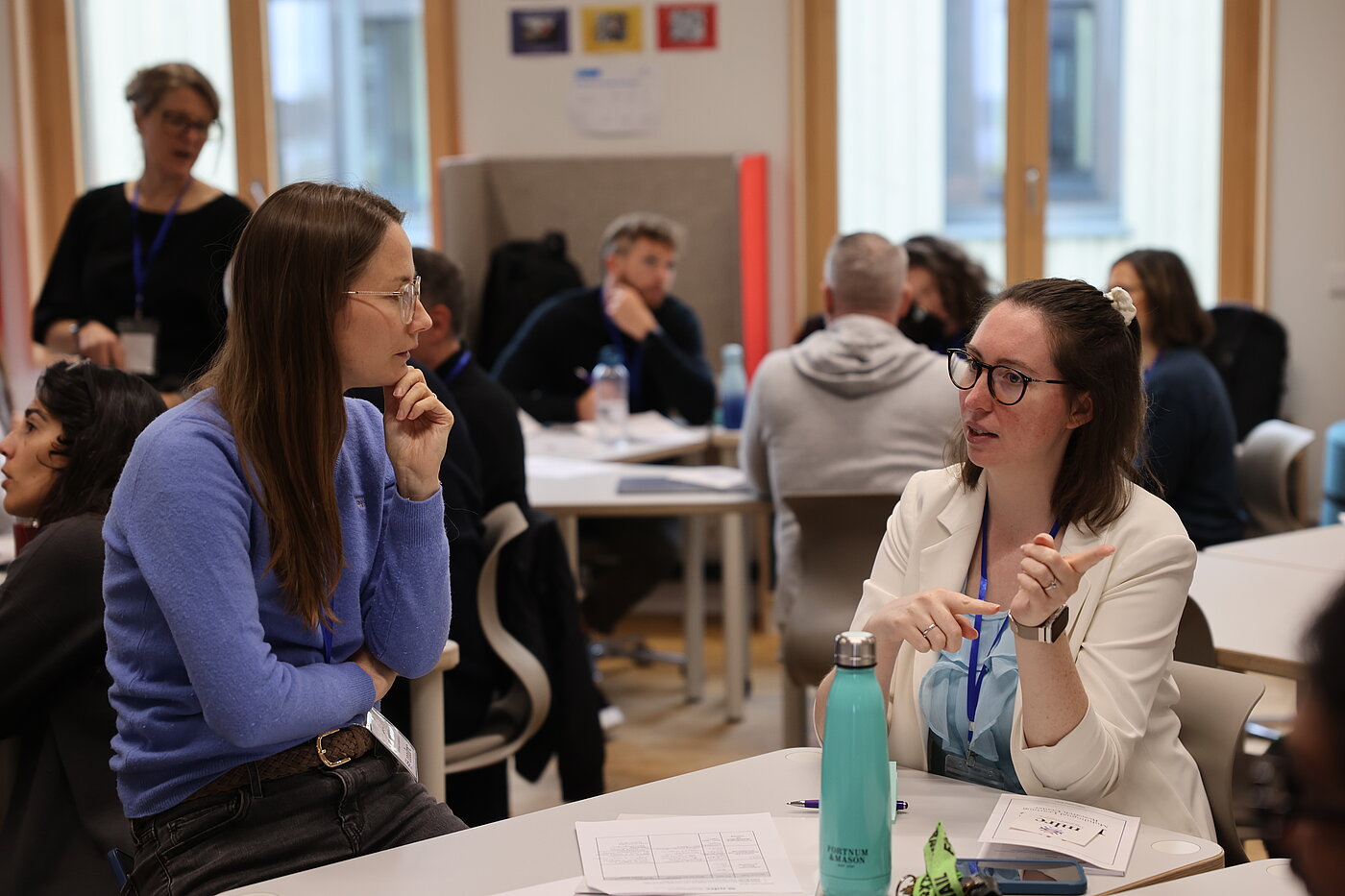
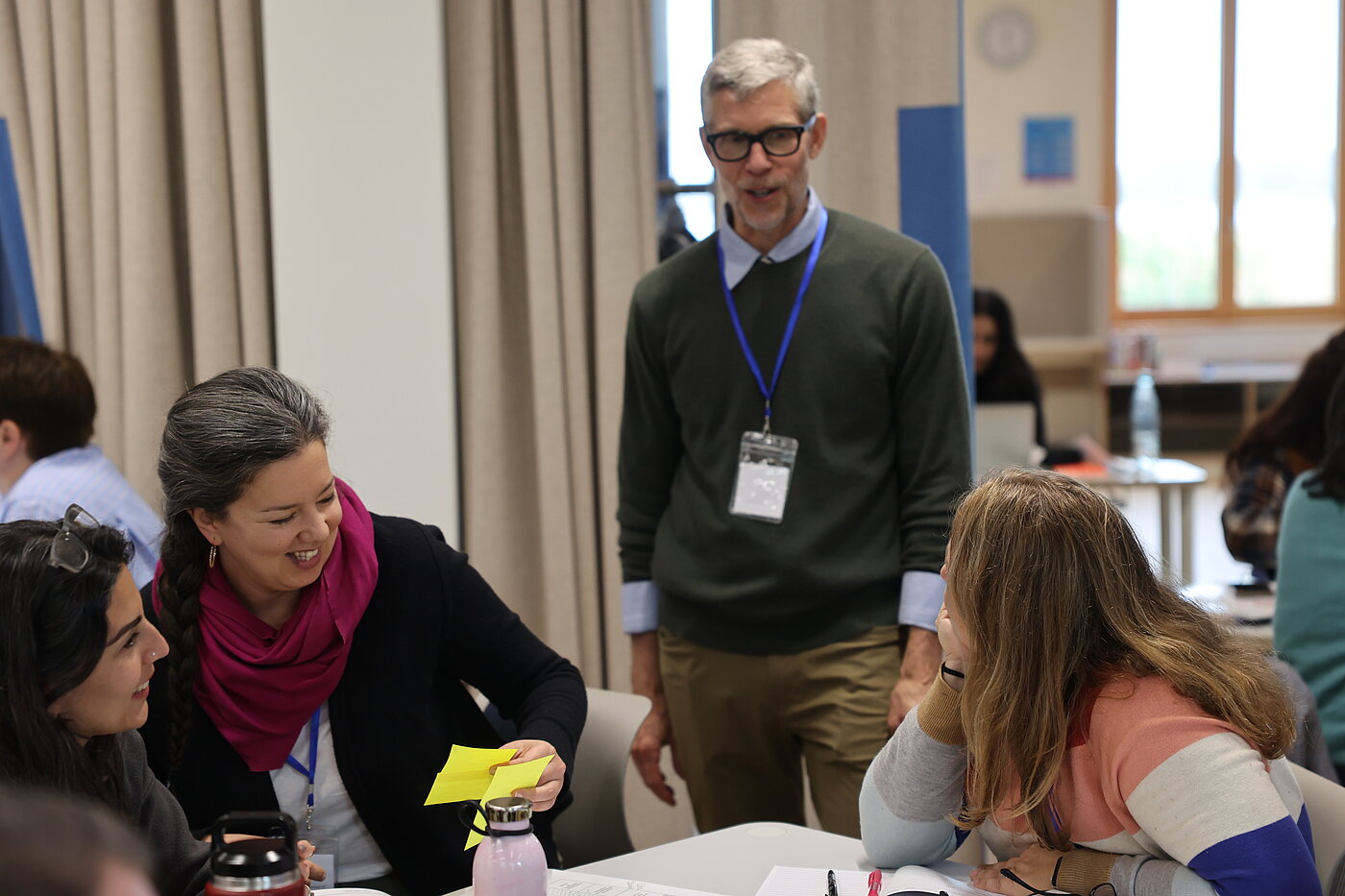
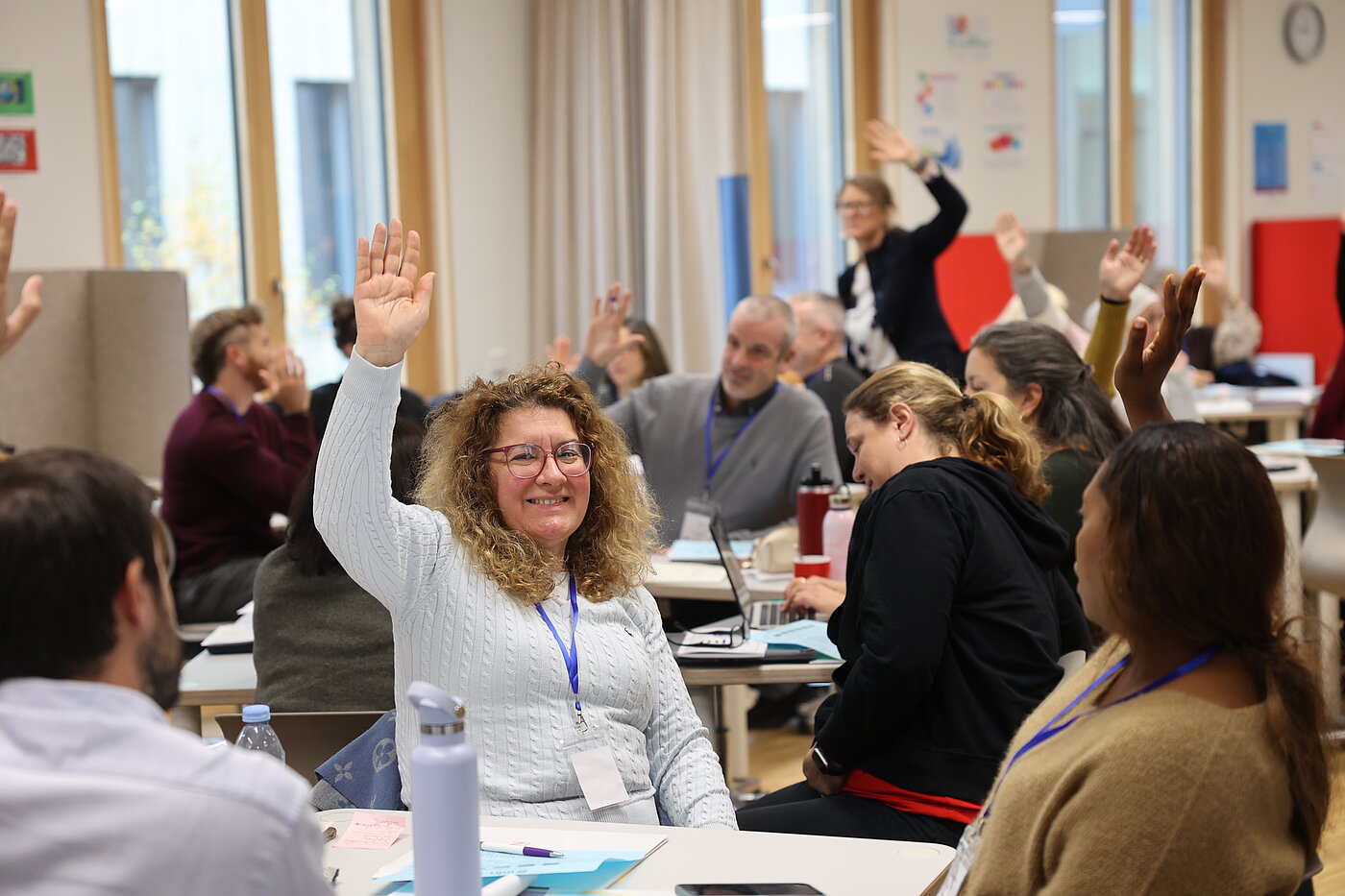
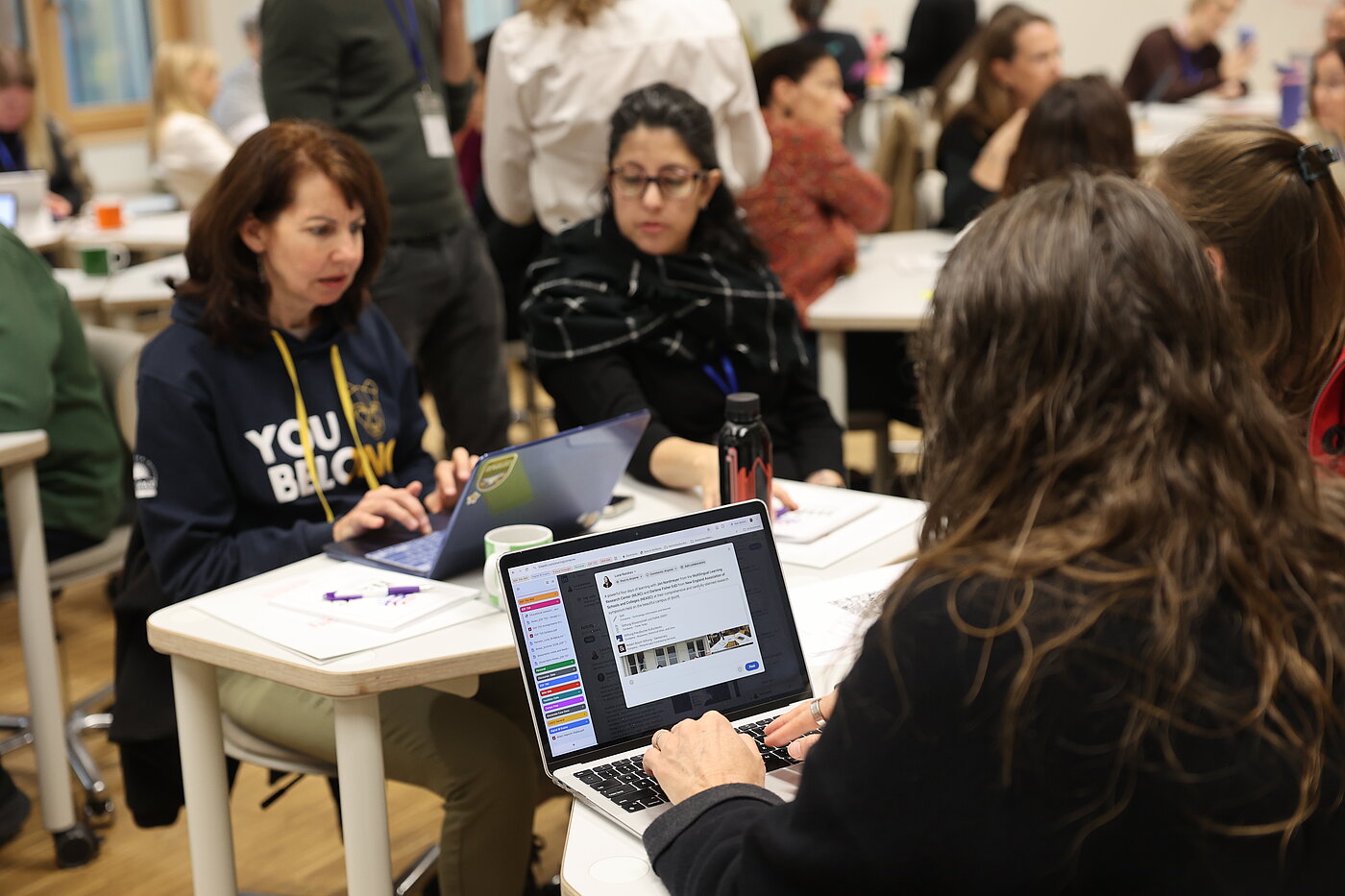
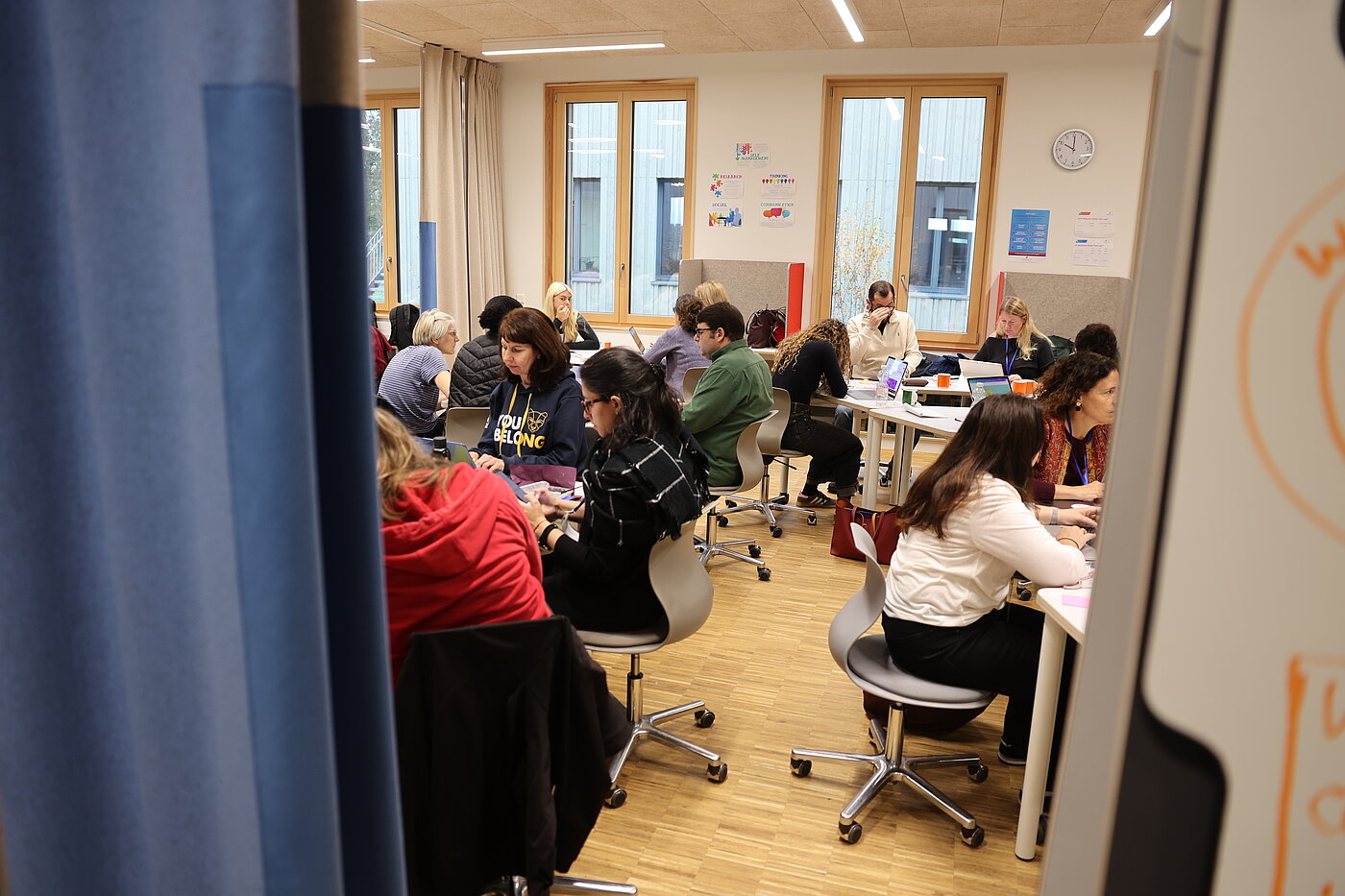
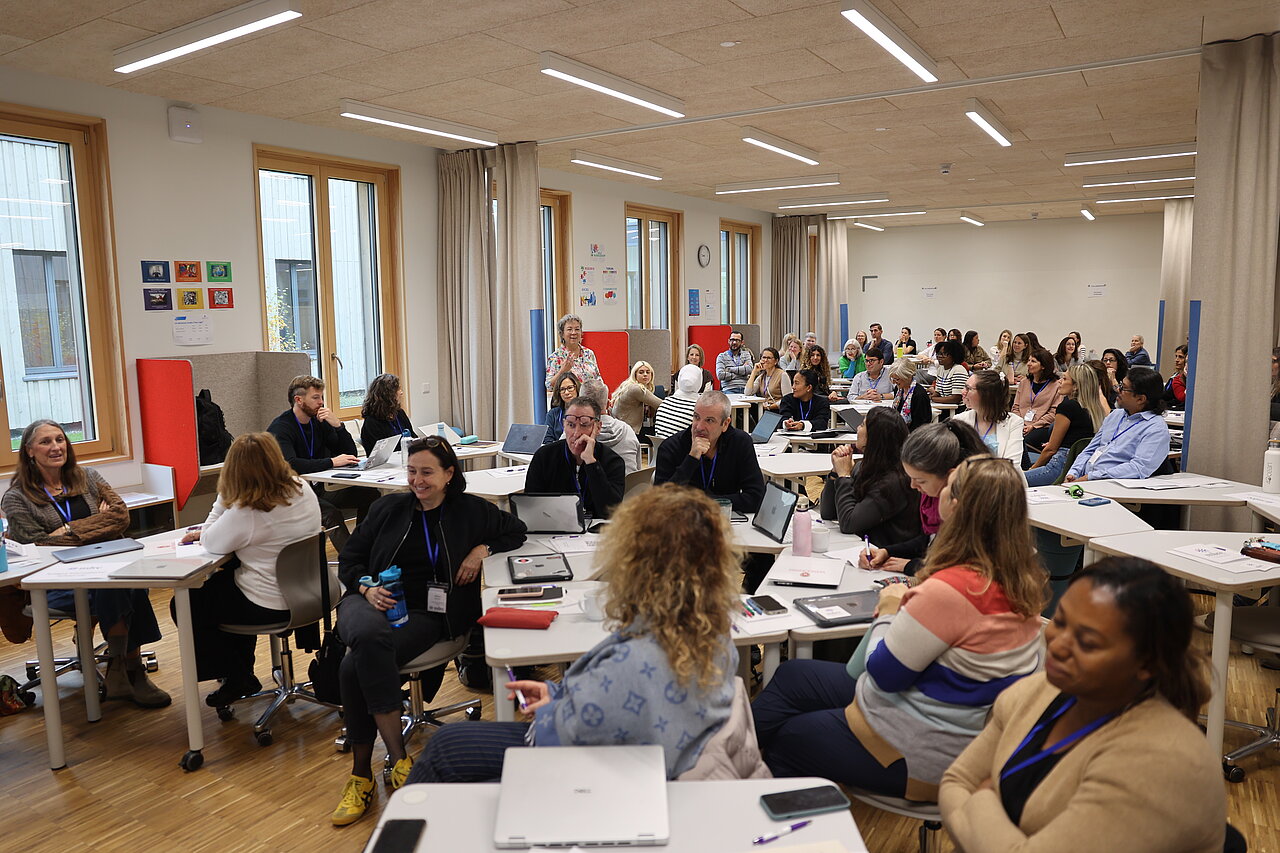
For three days, the IB Learning Studio became a meeting place for teachers, school leaders and educational researchers from around the world. Participants came from countries including Ecuador, Guatemala, India, China, Qatar, Switzerland and numerous European nations. Together, they explored current findings in educational research and discussed how these could be put into practice in everyday school life.
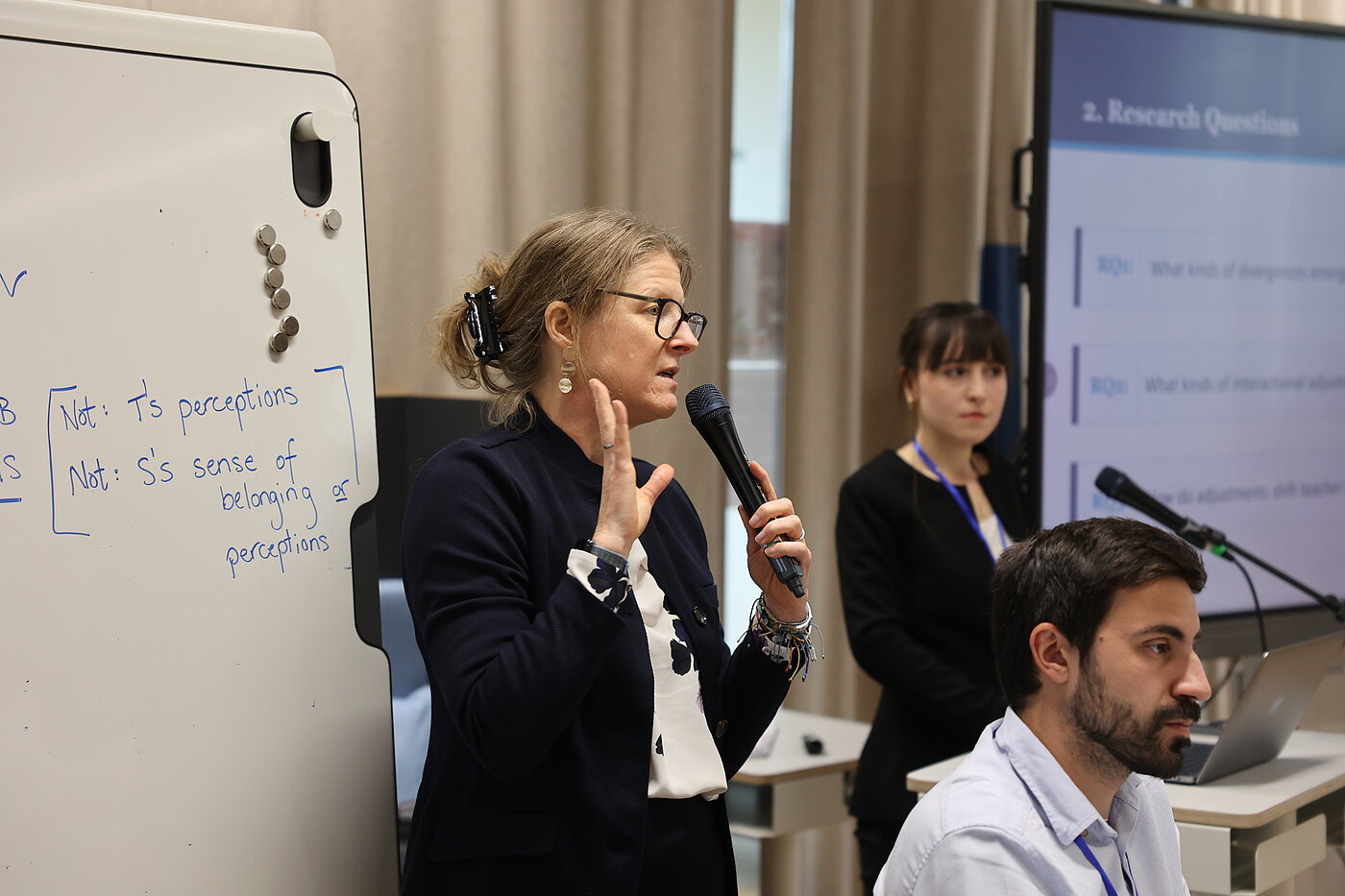
The symposium focused on multilingualism. How can schools better respond to the different linguistic backgrounds of their students? Which teaching approaches support both language development and academic learning? Through presentations and workshops, participants discussed research findings, shared experiences and developed new approaches to classroom practice.
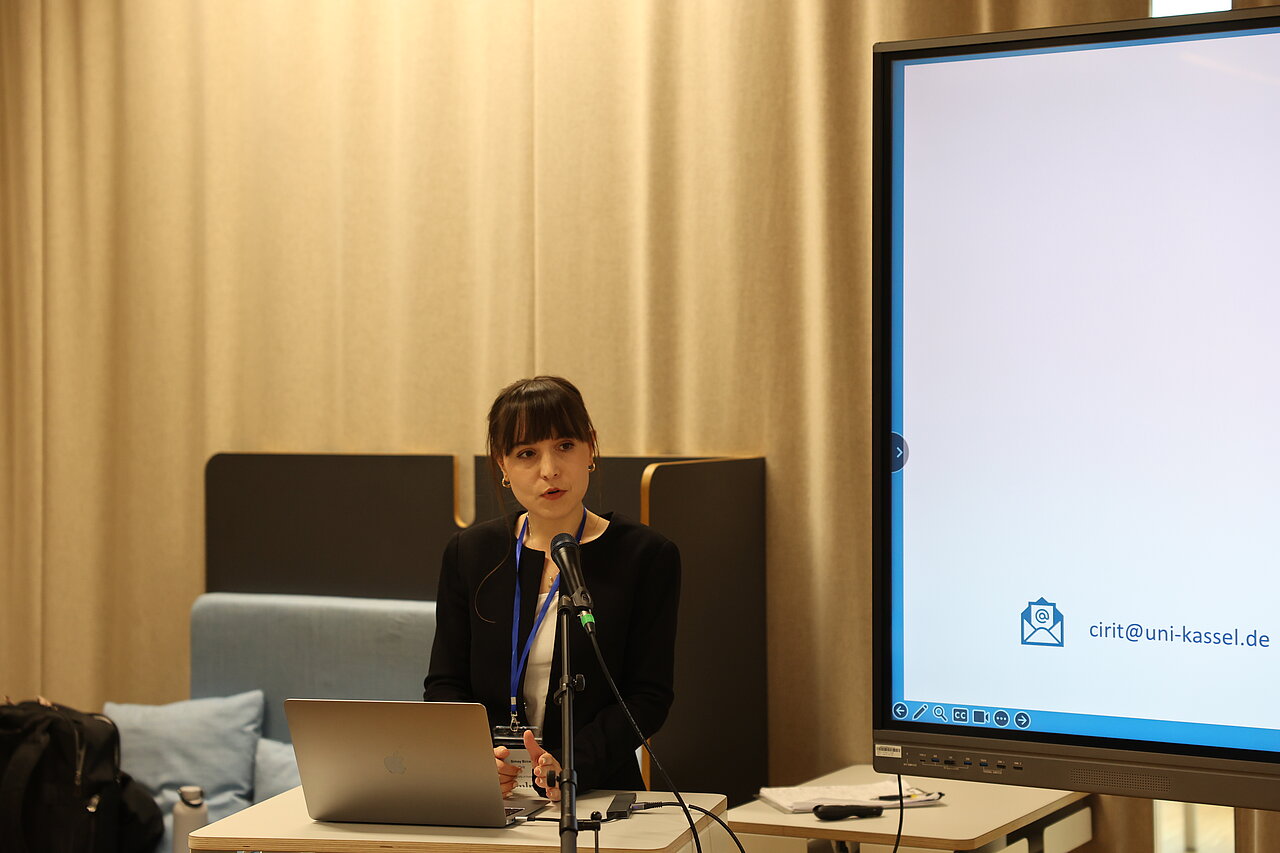
For Simay Birce Cirit from the University of Kassel, a research associate specialising in primary education, multilingualism and social participation, the international exchange was particularly rewarding: “It was fascinating to hear the perspectives of teachers from different parts of the world and learn about their challenges and achievements in working with multilingual learners.”
She emphasised how valuable this dialogue is for both sides: teachers can apply research findings to their teaching, while researchers gain important insights from everyday school practice.
New Impulses for Louisenlund IB World School
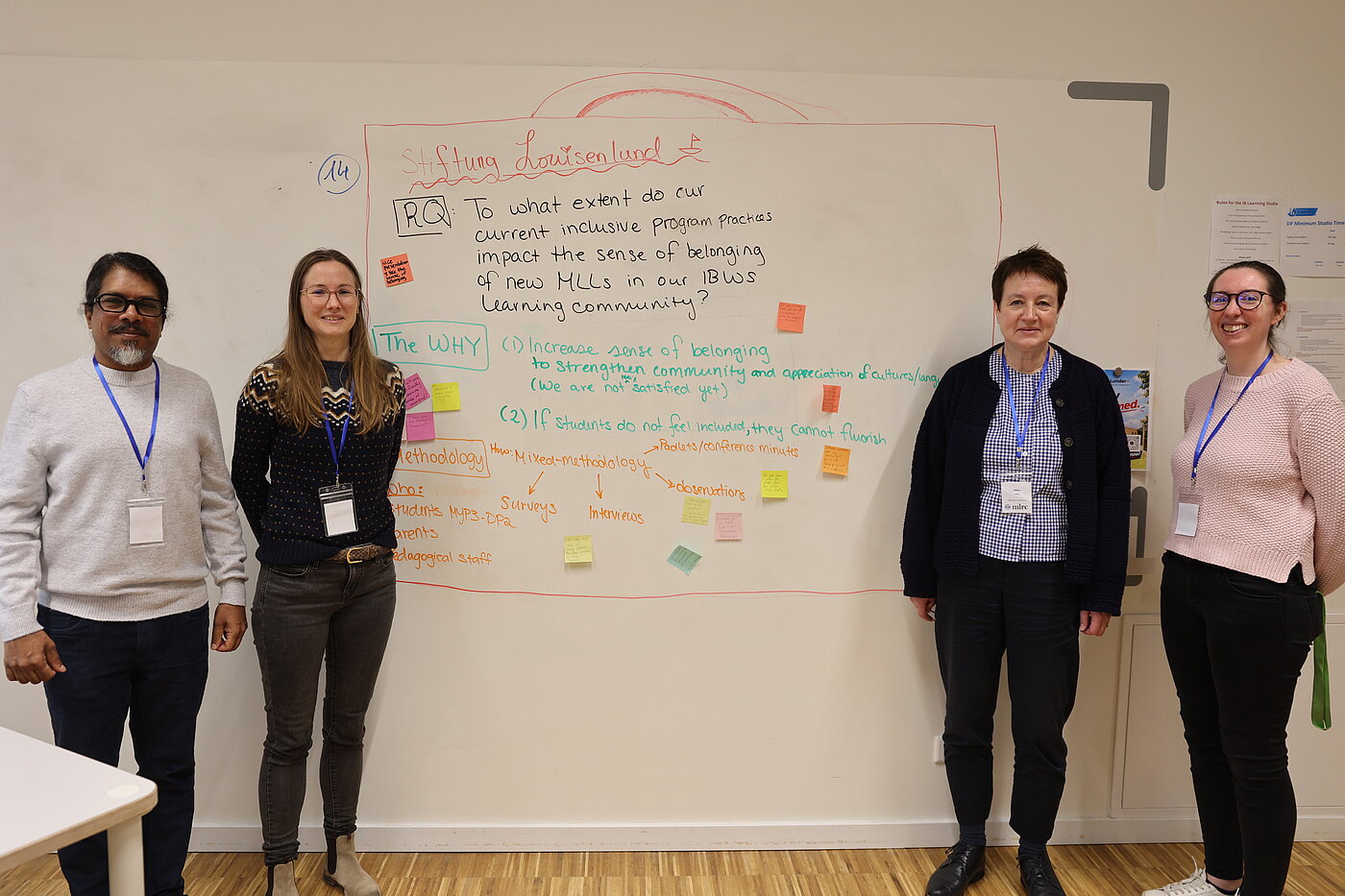
Louisenlund also actively participated in the symposium with a five-person team. Multilingualism is particularly important for the IB World School, where students from different countries and cultural backgrounds learn together.
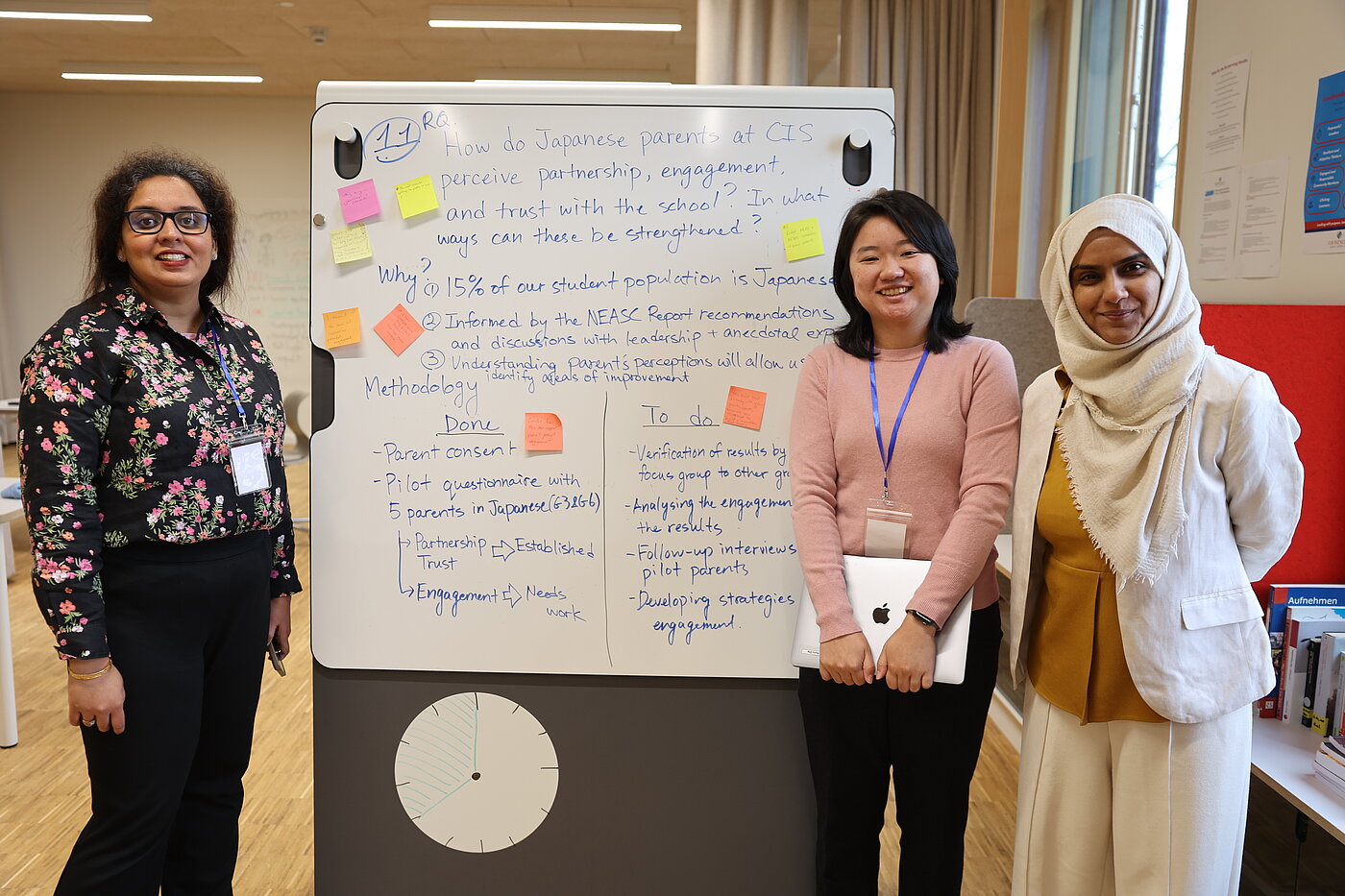
Linda Hagebölling, a member of the Louisenlund team, reflected positively on the experience: “Together, our Louisenlund team developed a promising action research question. I look forward to the research process, the insights we will gain, and discovering how these can help strengthen our community of multilingual learners.”
In action research, teachers develop their own research questions based on challenges they encounter in everyday school life and systematically investigate how educational approaches can improve learning. Over the next five months, the international school teams will receive academic guidance and support from the MLRC.
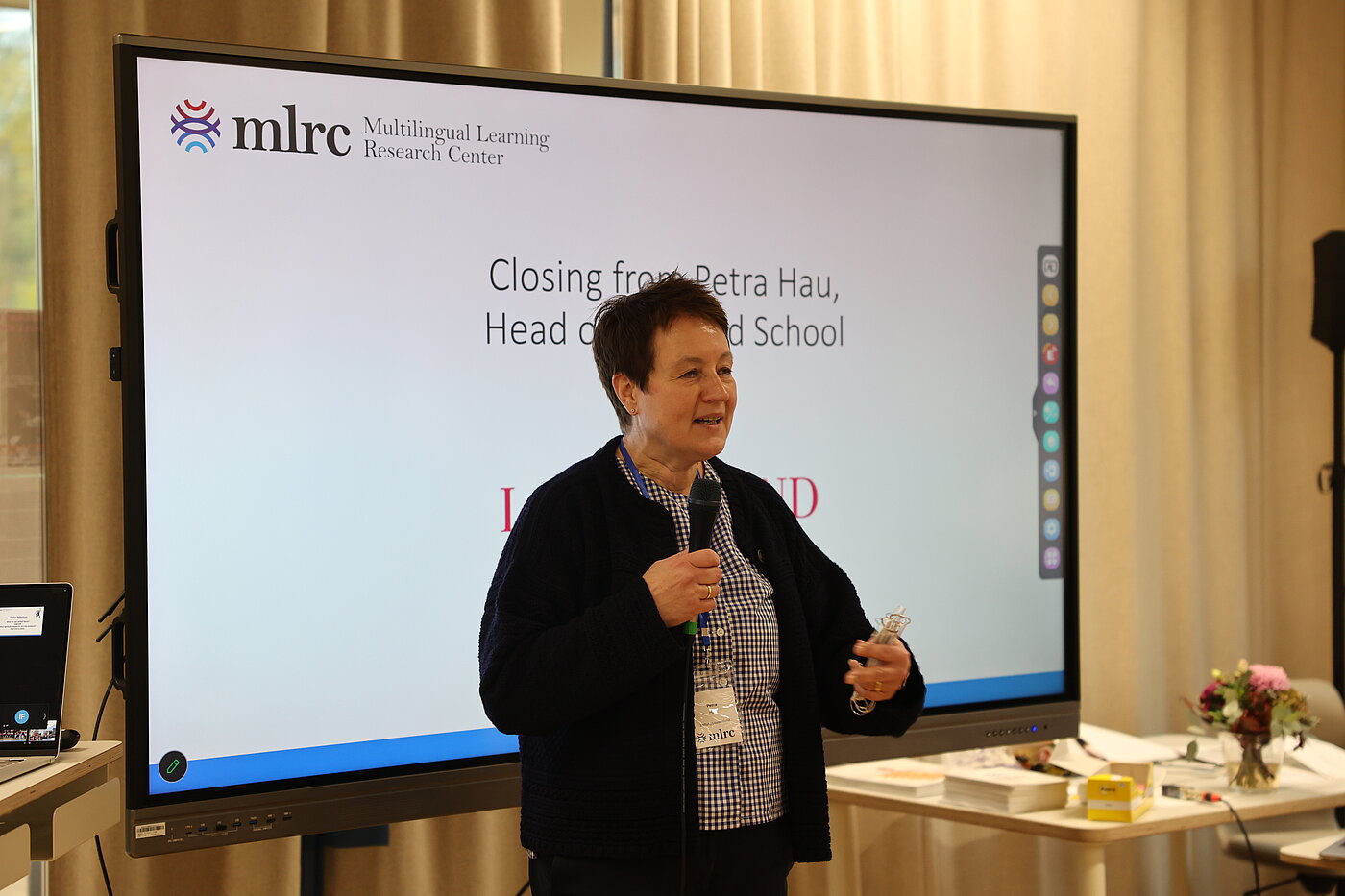
For Petra Hau, Head of Louisenlund IB World School, the symposium underlined the school's commitment to continuously improving teaching and learning through international collaboration and research-informed school development.
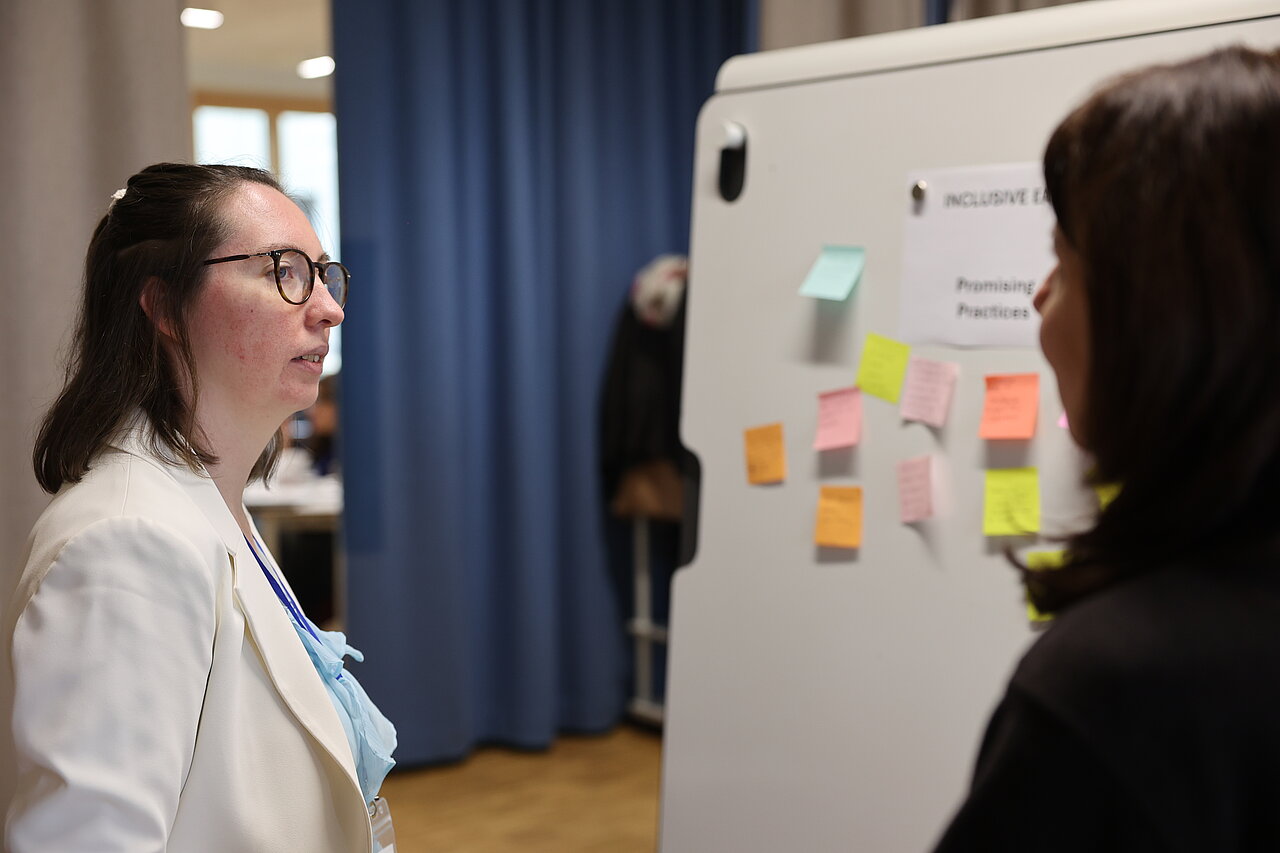
Being selected to host the first joint MLRC/NEASC Research Symposium was a special distinction for Louisenlund and a reflection of the school's international reputation and the appreciation of its educational work.
The organisers were equally enthusiastic. In a personal letter of thanks, they praised the hospitality, excellent organisation and dedication of the entire Louisenlund team. They emphasised that the success of the event was due in large part to the support provided by the school.
Through the symposium, Louisenlund was able to further strengthen its international network and gain valuable insights for its own educational practice. Collaboration with the MLRC and the international school teams will continue over the coming months – with the shared goal of sustainably improving learning for multilingual students.